


 By Guest - July 30, 2026
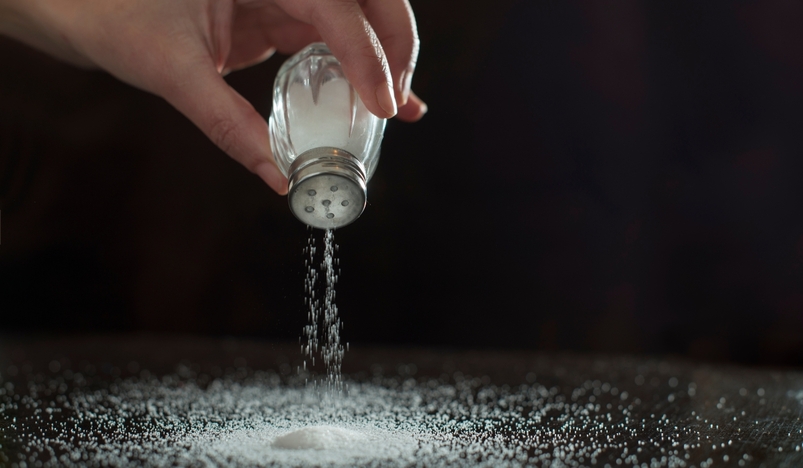
Your body needs sodium, which is an essential electrolyte. The goal is generally to avoid excessive sodium, not eliminate it completely.
What happens when you greatly reduce salt?
• Your body may retain less water. Sodium helps regulate fluid balance, so reducing a high-sodium diet can decrease water retention and bloating.
• Blood pressure may decrease. This is particularly beneficial for people who consume a lot of sodium or have high blood pressure.
• Your taste preferences can change. Over time, foods may begin to taste saltier, making it easier to enjoy meals with less added salt.
• Your kidneys adjust sodium balance. Healthy kidneys are very good at conserving sodium when intake falls.
• Extremely low sodium intake can be harmful. Sodium is needed for nerve signalling, muscle function and maintaining fluid balance. Severe sodium deficiency can cause nausea, headache, confusion, muscle cramps or seizures.
So, should you stop eating salt completely?
No. For most people, the healthier approach is to reduce excessive sodium, especially from processed foods, instant noodles, packaged snacks, processed meats, sauces and fast food.
The World Health Organization recommends adults consume less than 2,000 mg of sodium per day, equivalent to less than 5 grams of salt (about one teaspoon) per day.


.png)
.png)
.jpg)

_20-08-2026_05-08.jpg)
_27-51-2026_11-51.png)
_27-43-2026_12-43.png)


.jpg)
.jpg)




.jpg)


.jpg)
.png)
.jpg)












Leave a comment